Grasping the Combined Mechanics of Game Shows
Live casino game shows occupy a midpoint between pure chance and constrained player agency. A wheel spin or ball drop is random, but players make important choices: they select betting zones, decide when to cash out during a climbing multiplier, or bet on different segments on a vertical wall. These choices do not alter physics, but they change risk and payout structure. The house edge is not constant; some betting spots on the same wheel can surpass ten percent while others remain below two percent. Norwegian newcomers often treat every available spot as equal, but learning the gradient of value is the first step toward informed play rather than inactive wagering.
The studio presentation is designed to distract from that math. Lights, hosts, and celebratory sounds make frequent low payouts feel more secure than they are. A large wheel may show many low-value segments and only one bonus slice, yet the visual design makes routine losing returns. Players should overlook the theatre and read the payout table before wagering Norwegian Krone. If a bet spot lacks transparent return-to-player information, it is typically the worst seat at the virtual table. A short pause before betting can indicate which spots suit a session, and the most disciplined players treat this pause as required.
Converting Entertainment into Profitability Through Discipline
The most practical approach treats live game shows as premium entertainment with a cost, not a profit centre. Providers fund hosts, studios, and cameras through the collective losses of players. A pragmatic player accepts negative expected value as the price of the experience but minimizes it by avoiding high-house-edge sucker bets. The distinction between a two percent and fifteen percent house edge over two hours is the distinction between a cheap night out and an expensive habit. Consistency is more important than any betting system. Logging out at the loss limit, walking away while positive, and ignoring chat as a trading signal are unglamorous edges that protect the bankroll and keep the product under the player’s control.
Dos and Don’ts: Wise Habits for Real-time Game Show Winning
Do set a clear session bankroll before the host greets the camera. The fast pace can shorten time, turning fifteen minutes into an hour. A loss boundary and a realistic win goal preserve the entertainment appeal. When the budget is spent, move to spectator view and watch the next rounds without wagering. Monitoring without financial stress enables a player recognize the rhythm of bonus activations and the gaps between multiplier hits. That objective, observational insight becomes valuable for the next financed session, transforming a break into free research instead of disappointment.
Do dedicate most of the bet to low-volatility betting zones. In money-wheel variants, the frequent “1” or “2” slots keep the balance steadier and yield small returns. A effective allocation applies about eighty portion on the safe section and twenty percentage on a speculative bonus square. This structure endures long bonus dry spells while retaining meaningful potential. Do also take advantage of the generous betting opportunities common of live game events; with unlimited positions and longer countdowns, there is no reason goal.com to hurry. A mistake that places a large chip on the wrong spot is often more expensive than a missed bonus.
Bankroll Management for Volatile Bonus Features
Game show bankrolls demand extra buffer than blackjack bankrolls because payout distribution is uneven. A wheel can produce 1:1 results for fifty spins and then strike a 500x multiplier. Players who lower stakes out of boredom often under-reward themselves when the outlier occurs. A practical structure splits capital into a grind stack for common low payouts and a bonus stack for high-variance side bets. With a 1000 Krone session, a 20 Krone chip on the safe zone and a 5 Krone chip on the bonus tile form a sustainable ratio. Using large chips on bonus bets invites fast ruin and deposit impulses.
Rebalancing matters after both winning and losing stretches. A player who achieves a large multiplier early should take out a portion of the profit from the session bankroll instead of allowing the entire balance ride. The game show format can make a big win feel like a reason to increase stakes, but variance can turn back sharply. Conversely, after a long dry period, lowering size is more rational than trying to recover. A fixed unit size based on the original bankroll takes away emotional judgment. Players on Norwegian-facing platforms should treat the grind stack and bonus stack as separate buckets, not as one jumble of available chips.
Choosing the Right Game Format for Your Personal Style
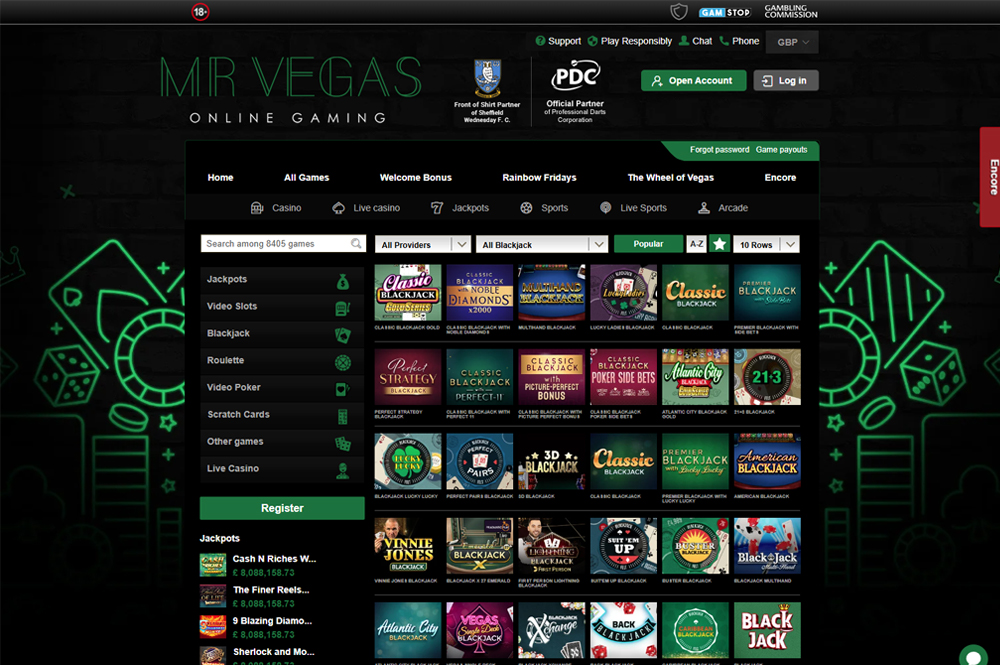
Not all live game show fits every temperament. A fixed-odds money wheel offers transparent rhythm for patient players, whilst a Pachinko-style wall offers rapid visuals and sharper swings. Climbing multiplier games match those who can press cash out without regretting a later higher peak. Table limits also dictate strategy. A low-minimum studio encourages conservative grinding; a high-minimum VIP table demands aggressive sizing. Browsing the lobby at platforms such as Mr Vegas Casino allows Norwegian players to filter for chip denominations that fit their session. Choosing the right table stakes is cheaper than clicking the flashiest thumbnail and hoping to survive unfavourable limits.
Mistakes: Common Pitfalls to Steer Clear of at Every Expense

Refrain from hunting a bonus round with escalating bet sizes. The bonus hunter’s fallacy assumes that because a wheel has not triggered a feature for twenty spins, it is due. The random number generator has no memory, and a host describing variance is not predicting a near event. Negative progressions become ruinous quickly after a normal streak of non-bonus segments. A flat-bet approach, or a gentle positive progression tied only to bankroll growth, holds the risk curve flat. Players should determine the stake before the round and understand that variance can run longer than expected.
Do not regarding the host’s commentary or the on-screen history as predictive data. Phrases about hot numbers are entertainment packaging, not statistical insight. A history board showing red segments can spark the gambler’s fallacy, but certified studio outcomes are independent. Likewise, unstable mobile connections create practical risk. A live stream buffering during a cash-out decision can cause a command to be ignored. Norwegian players using weak 4G in remote areas should avoid decision-heavy multiplier games unless the connection is stable. A wired broadband connection or a strong Wi-Fi signal remains the safer setup for real-money play.
Navigating the Interpersonal and Psychological Interactions
Real-time chat and a engaging host introduce interpersonal pressure that solitary casino games miss. Chat messages urging a cash-out or cheering a lucky hit can drive a player into deviating from a plan. A useful rule is to reduce the chat window if it begins dictating wager size. The host is a talented performer executing a scripted show, not a gambling partner. Understanding that parasocial bond assists players conclude the session following the pre-set budget rather than the host’s on-screen charm. The operator counts on that human connection to prolong play. Detachment is not cynicism; it is a kind of player protection and discipline.
A timer or session alarm is a concrete tool against this social pull. A player might configure a sixty-minute alert before the first round, treating it as a hard stop as opposed to a suggestion. Norwegian regulators stress responsible gambling controls, but the individual still chooses to implement them. Silencing the host’s audio during a losing streak can also diminish the emotional pressure to recover. These small steps redirect attention back to the predetermined betting plan and away from the studio atmosphere. The goal is not to take away fun, but to stop a charismatic presentation from subtly bypassing a budget that was set ahead of the show began.
FAQ
Are live casino game shows purely based on luck?
A wheel, dice, or ball conclusion is random and controlled by certified generators, but players select which betting zones to target. Low-house-edge spots cut long-term losses, while bonus segments introduce high variance. Climbing multiplier games also feature a genuine cash-out decision, so the player’s timing can separate a small profit from a total loss within the same round.
Does the live host impact the result of the round?
No. In regulated environments, the mechanical outcome is automated and separated from human control. The host sees the result at the same time as the player and reacts for showmanship. Comments about lucky numbers or hot streaks are scripted entertainment, not insider information that a player can use to predict the next result.
Which bet on a money wheel game show has the worst value?
That dedicated bonus or high-multiplier slice often has a house edge above ten percent. A 25x or 50x payout seems appealing, but its probability is proportionally small. The best mathematical value usually lies in the frequent low-number bets, which land often and have a house edge closer to European Roulette, aiding a bankroll survive longer.
How should bankroll size vary for game shows versus blackjack?
A live game bankroll should be larger relative to the round stake because results are skewed mrvegascasino.no. Blackjack sessions may last with thirty to fifty base units, but volatile bonus features often demand seventy to one hundred total round stakes. This cushion stops a normal dry spell on bonus side bets from wiping out the session early.
Which is better to cash out early or hold during a multiplier climb?
There is no universal answer because it hinges on risk tolerance. An auto-cash target around 1.5x or 2x guarantees frequent small wins and lowers regret. Letting the multiplier climb creates larger potential payouts but sharply increases the crash risk. A split approach can lock in partial profits while keeping a small stake active.
Can viewing a game show without betting provide any advantage?
Yes. Watching a few rounds without wagering enables players understand the betting interface, countdown timing, and bonus rhythm. It also indicates which spots pay out in real conditions versus theoretical probability. This free reconnaissance avoids costly fumbling during the first funded session and clarifies whether the game’s pace fits the player’s temperament.
What’s the safest approach for a beginner at a live game show?
Newcomers should use the lowest table stake and limit it to low-risk, high-frequency betting zones. Bonus side bets and complicated special bets can be delayed until the layout and timing feel comfortable. Once comfortable, a small speculative amount to a bonus bet can be incorporated without risking the main bankroll or creating an urgent deposit impulse.